
About us
The Walker Center of Resilience formally NAMI Urban Greater Cincinnati Network on Mental Illness, located at 2420 Harrison Ave, Cincinnati, Oh 45211 is dedicated to strengthening our community through mental health awareness, education, advocacy, and empowerment opportunities. It is our belief that every person deserves support, understanding, respect and the opportunity to thrive.
All of our programs are youth-centered and are supported by advisors. Our mission is to empower, educate, and invest in our youth. While we mainly focus on mental health and awareness, we also offer programs focused on art, financial literacy, and youth-led advocacy.
Through our Youth Move program, young people are encouraged to learn about mental health, develop healthy coping skills, build leadership abilities, and make a meaningful difference in their communities. We strive to amplify the voices of people who have experienced mental health challenges, while creating spaces where their perspectives are valued and heard.
At the Walker Center of Resilience, we believe that awareness leads to action. Through education, advocacy, and community engagement, we work to reduce stigma, promote understanding, and empower individuals to create positive change. Our goal is to build a more informed, compassionate, and resilient community where every voice matters.

Information about mental illness
Mental illnesses are medical conditions that can affect a persons mood. emotions, behavior, and thinking. They can range from mild to severe and may impact daily life, relationships, school, and well being.
Mental illness can develop for many different reasons, including:
Genetics
Stress or Trauma
Brain chemistry
Environmental factors
Physical health conditions
Common misconceptions about mental illness are:
“Mental illness is a sign of weakness.”
“Seeking help is embarrassing.’
“Mental health conditions only affect adults.”
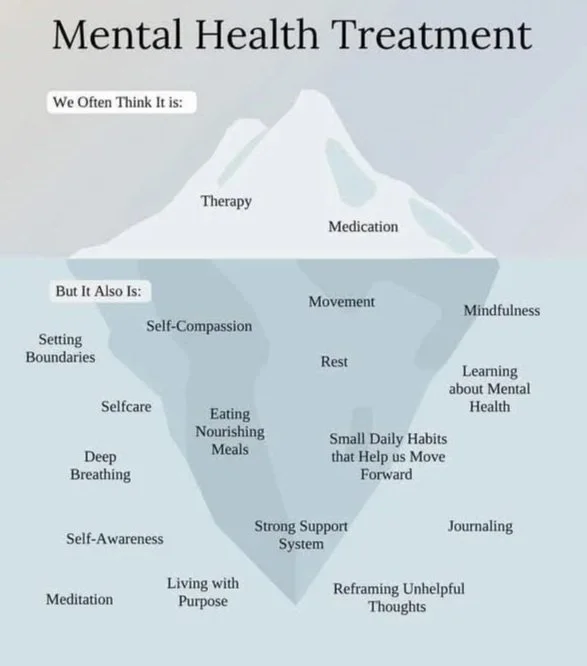
In reality, mental health conditions can affect people of all ages and backgrounds, and support systems, education, and treatment can make a meaningful difference.
‘
General anxiety disorder (GAD) affects approximately 6.8 million adults, or (3.1%) of the U.S. population, yet only 43.2% are receiving treatment. Anxiety disorders can also go hand in hand with depression.